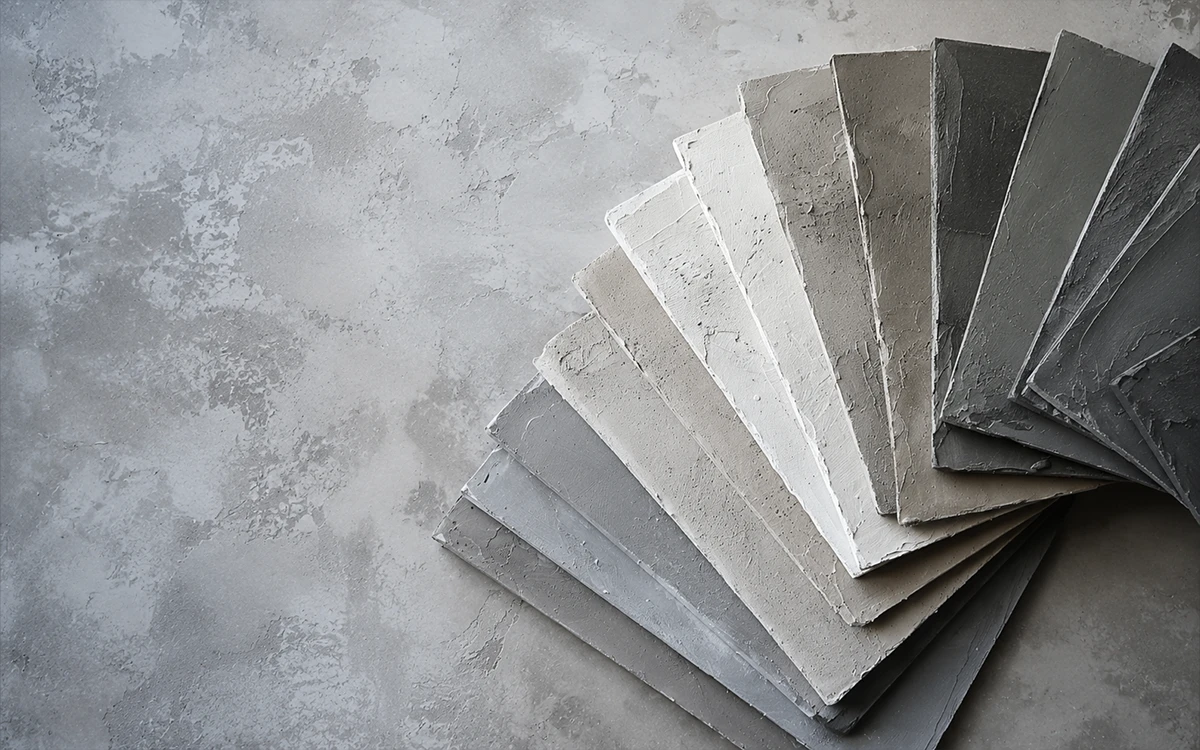
Soft mineral
Low contrast, subtle movement and a matte or softly reflective surface for rooms that need depth without a strong visual statement.
Decorative Plaster
Decorative plaster adds depth without adding another object. Texture, reflection and color are developed for the actual light and materials already present in the interior.

The finish
A plaster surface can be quiet and mineral, softly clouded, more tactile, or structured with ornamental relief. The finish is selected according to the room, the required visual weight and how the wall behaves in natural and artificial light.
Low contrast, subtle movement and a matte or softly reflective surface for rooms that need depth without a strong visual statement.
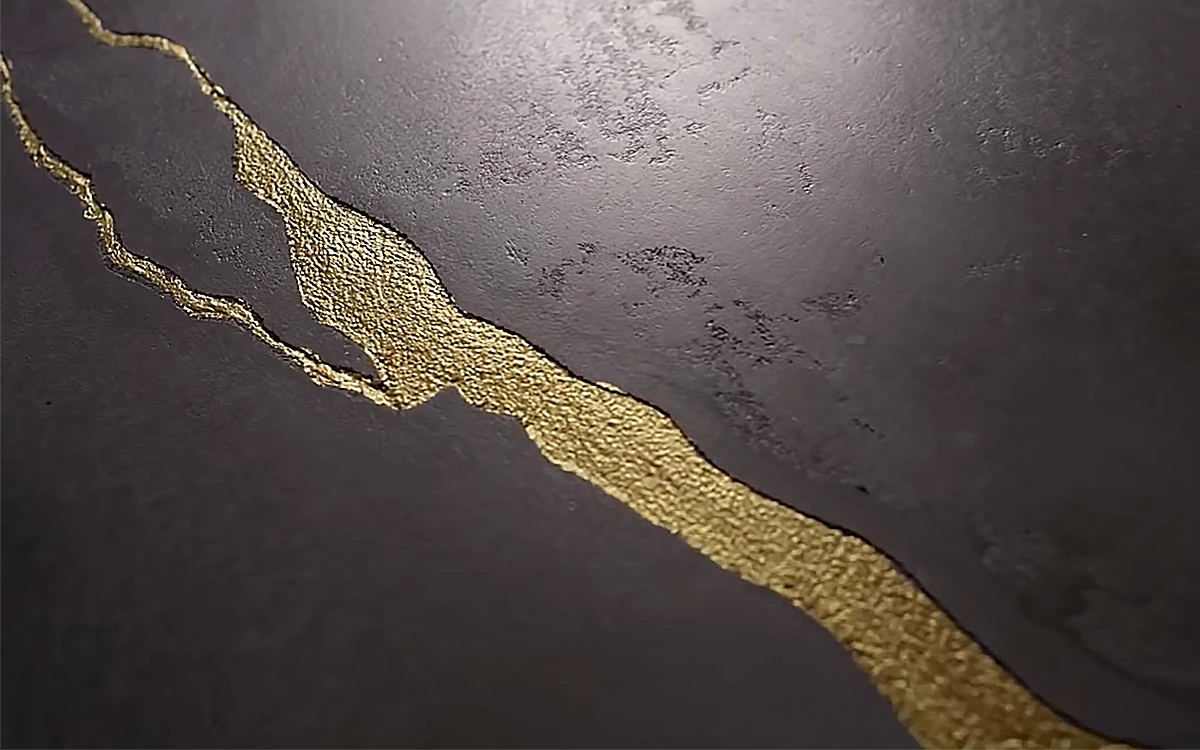
A more tactile finish where the wall reads through shadow and material variation rather than through color alone.
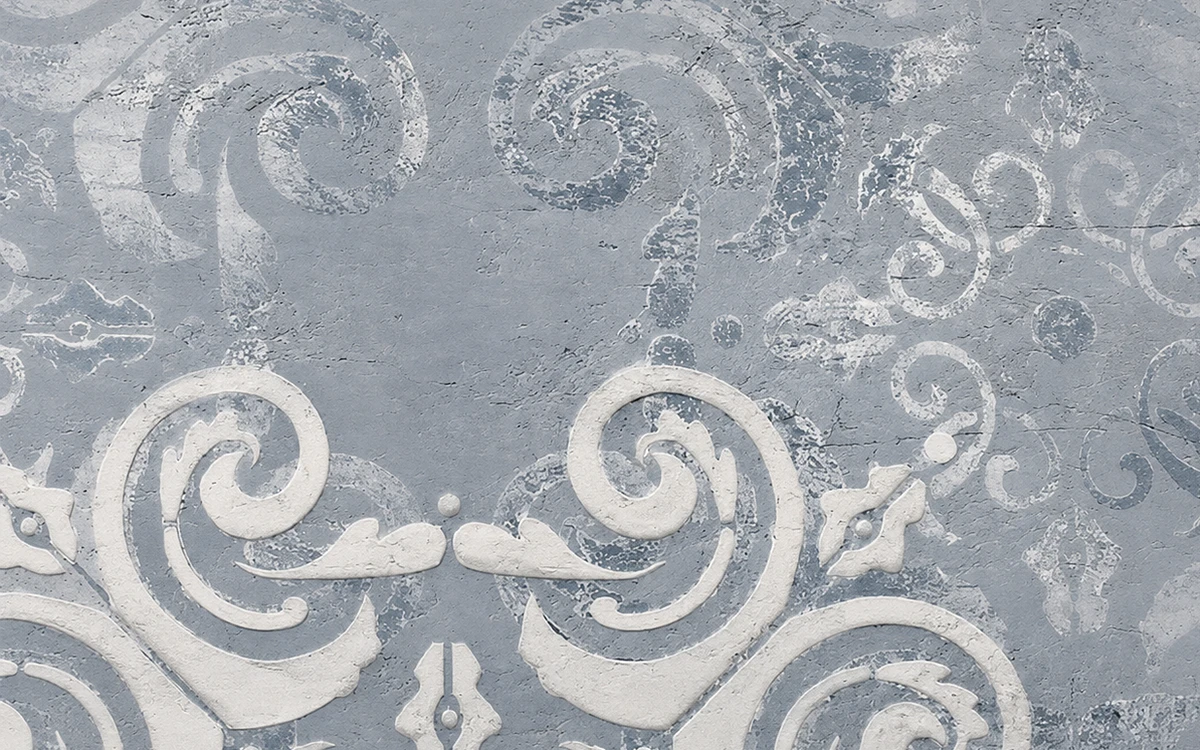
Decorative plaster can incorporate a controlled ornamental pattern when the architecture calls for more detail and a crafted focal surface.
The process
Texture is difficult to judge from a screen. The process is therefore built around material samples and approval before final application.
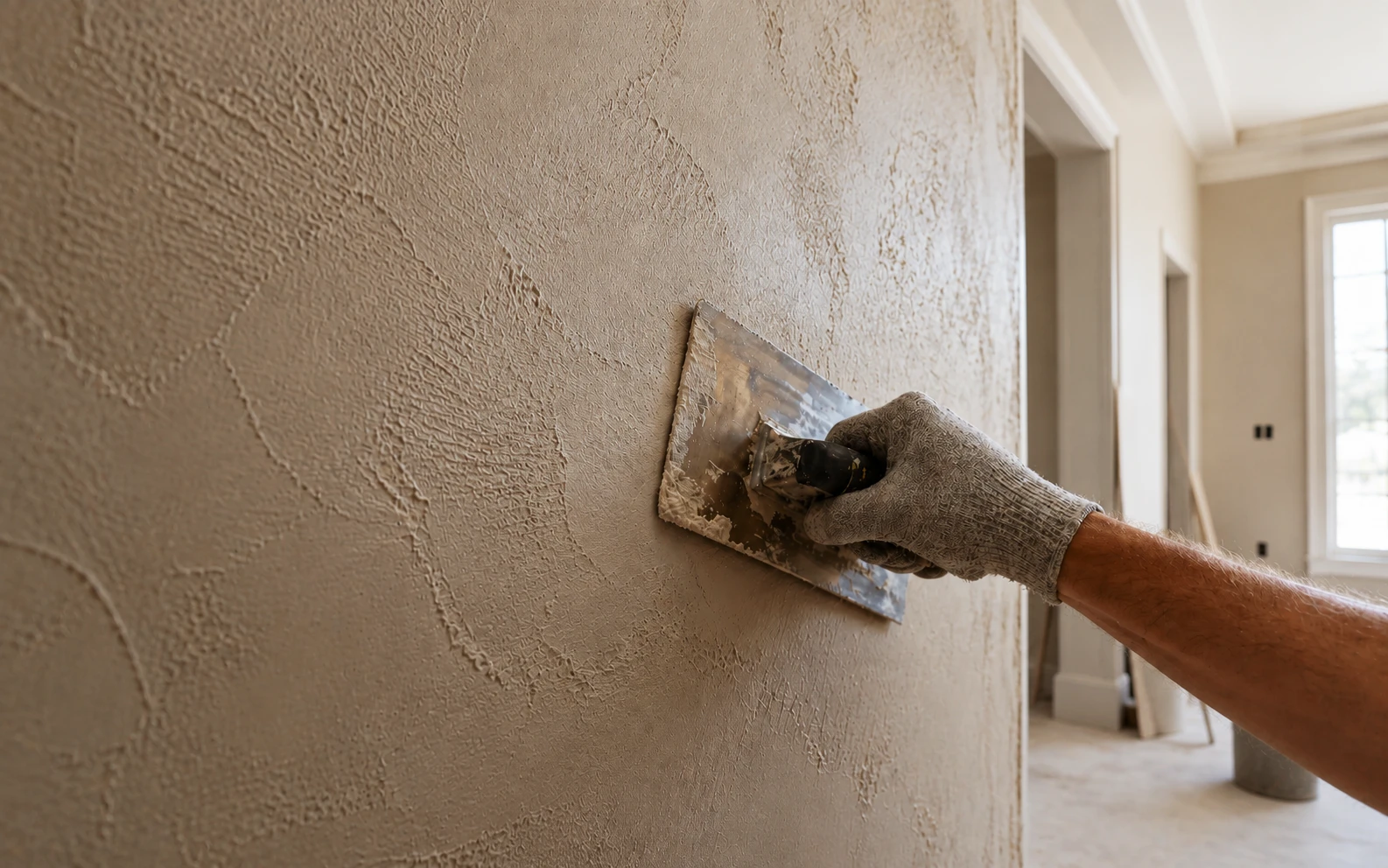
We look at the wall, adjacent materials, furniture, flooring, light and the visual role the surface needs to play.
We define the level of texture, movement, sheen and color rather than choosing a finish only by a commercial name.
A physical sample lets you evaluate the surface in your own light and next to the materials already used in the room.
Color and texture are approved before application begins.
The final surface is built by hand in multiple passes. Exact preparation and application depend on the substrate and approved finish.
Where it works
Decorative plaster works best when the wall itself should carry the room — without adding another framed object, pattern or strong graphic element.
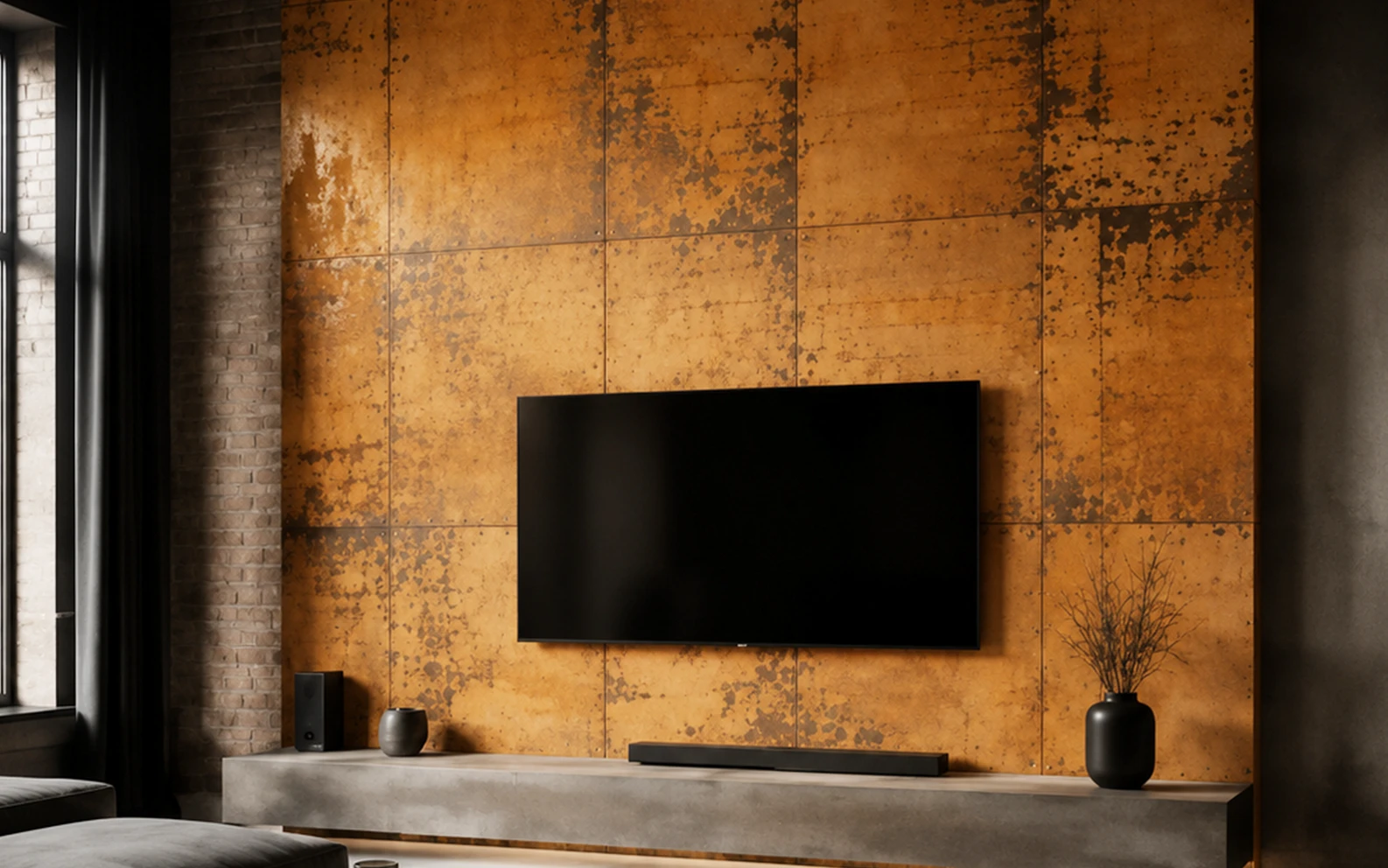
A bedroom wall, living room feature surface, fireplace zone, entry or another architectural plane can gain depth through material alone.
See it in your light
Plaster changes as the light moves. A physical sample is the most useful first step before selecting a final finish.
Review texture, color and reflection in your own room before making a final decision. For a custom project, the approved project sample becomes the reference for the final surface.
Request a sample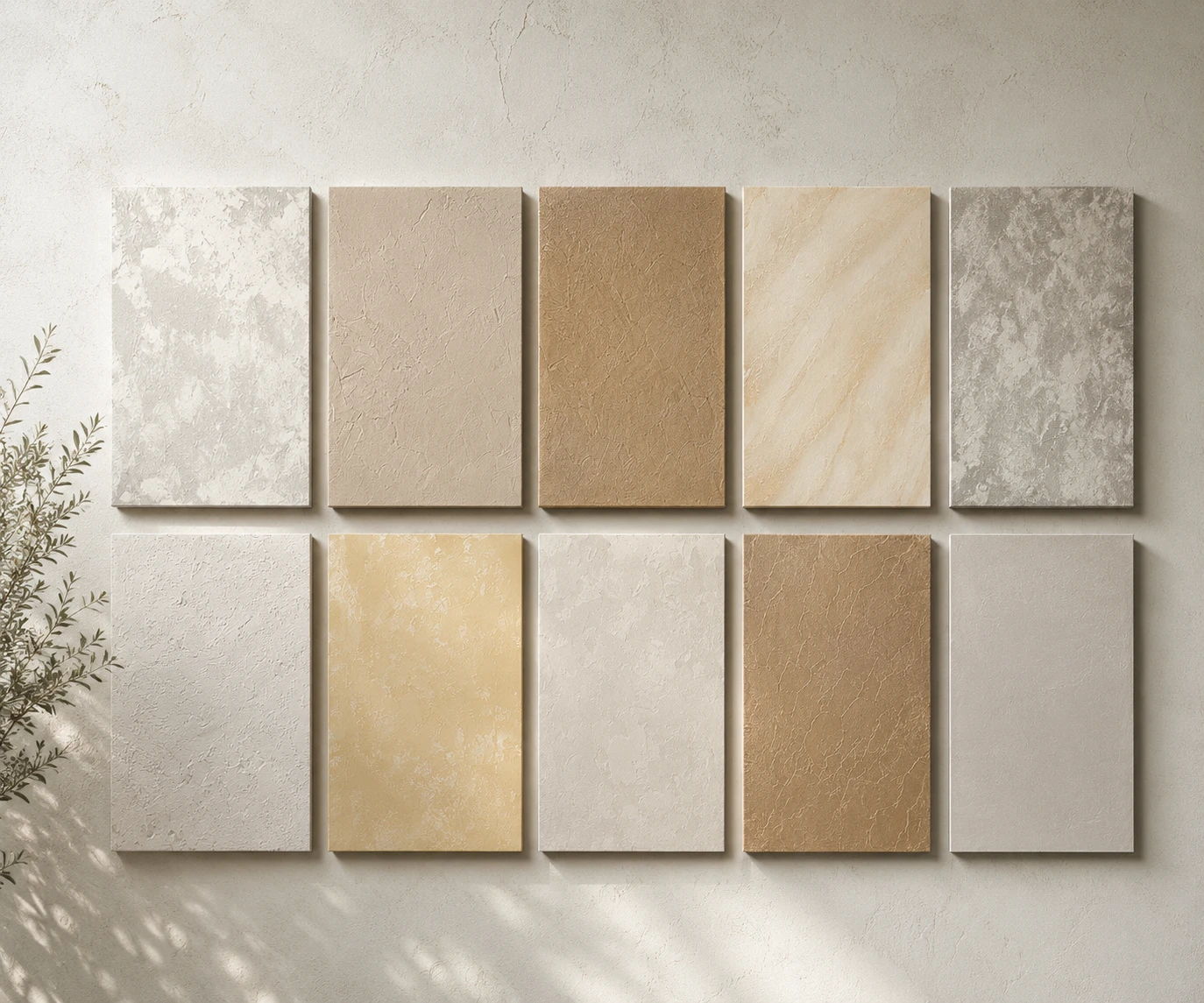
Start with the surface
Share photographs, dimensions and the finishes already in the room. We can then determine the right texture direction and the next sample to prepare.